

Am I In Labor?
Am I in Labor?
The first few contractions at the end of pregnancy often bring a rush of excitement and adrenaline.
The baby is coming!
May you decide to call friends and family. Maybe you choose to message your boss.
But then the next part doesn’t happen.
The part where you keep contracting. You start breathing in all the ways the movies have been showing you. The part where you have a baby.
So what is going on?!
Welcome to the world of contractions, and to one of the most confusing parts of pregnancy and early labor. As a Chicago doula, I want to hear from you at this point and have conversations to offer reassurance and usable next steps.
Understanding Contractions and Early Labor
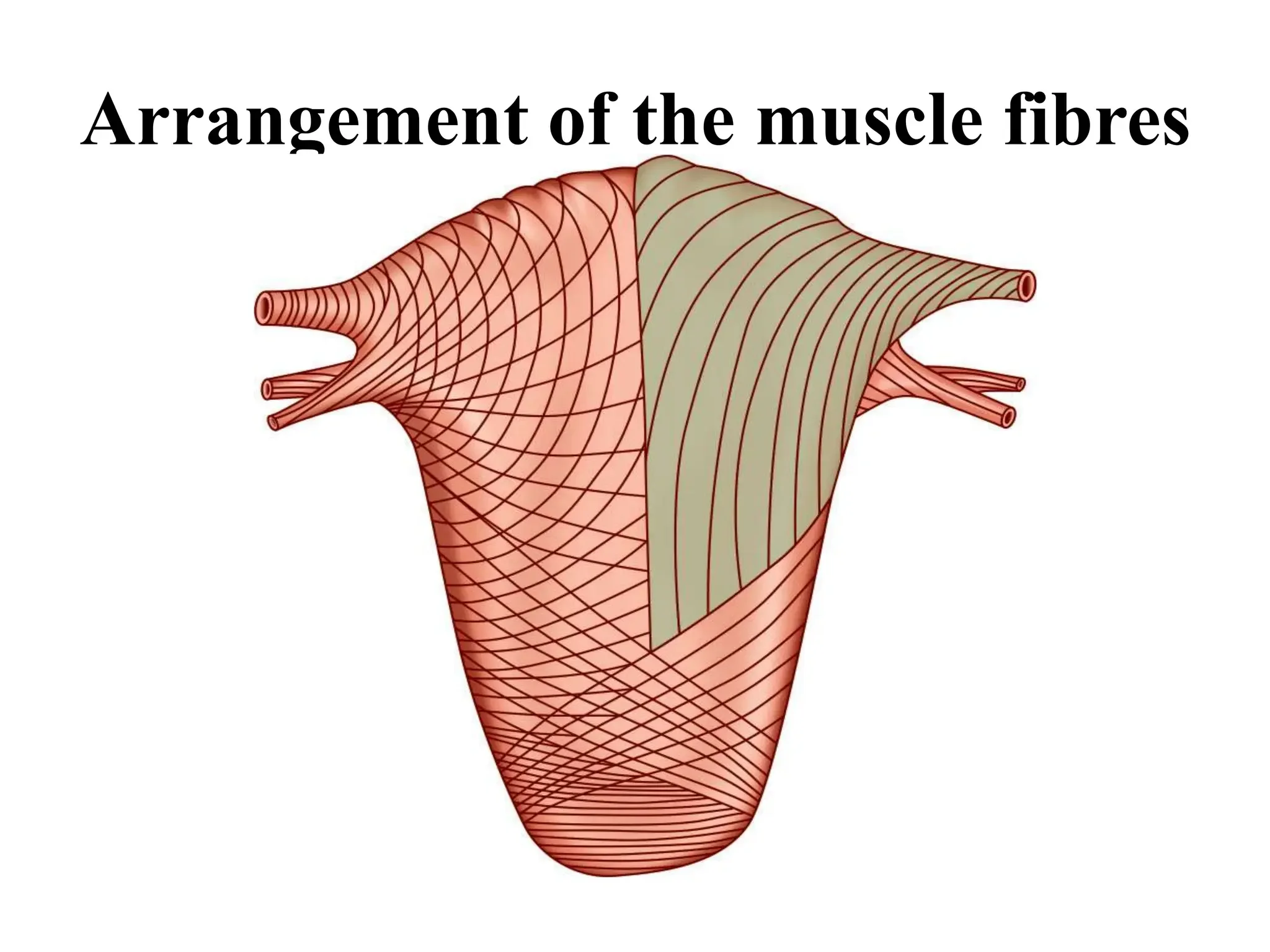
The uterus may not officially hold the title of the strongest muscle in the body, but there’s some evidence it makes a strong case for it. (Other contenders include the tongue,the eye muscles, the heart, and the jaw.)
Strongest or not, the uterus is a muscle, and muscles are designed to contract. When a woman feels her abdomen tighten in a way she has never experienced before, understanding what is normal can take some patience, and often good pregnancy support in Chicago or wherever you’re birthing.
The first stage of labor is often described simply as a series of contractions that become longer, stronger, and closer together.
When contractions do not become longer, stronger, or closer together, they are typically not considered active labor contractions. These sensations are called Braxton Hicks contractions after Dr. John Braxton Hicks (1872), or pre-labor, or false labor (although there is nothing false about what you are feeling).
This is where many families start searching for answers about contractions, but not in active labor, or asking questions like when to go to the hospital for labor.
Braxton Hicks Contractions vs Labor
One key difference between Braxton Hicks contractions and labor contractions is cervical change. Braxton Hicks contractions do not cause noticeable changes to the cervix.
Braxton Hicks Contractions
Some common descriptions of Braxton Hicks include:
Irregular in intensity
Infrequent
Unpredictable
Non-rhythmic
More uncomfortable than painful (though some women do experience pain)
Do not increase in strength or frequency
Often taper off and stop altogether
If Braxton Hicks contractions are being felt, it is often suggested that a woman:
Ease up on activity or change positions
Drink fluids (dehydration can contribute to contractions)
Use the restroom
Take a warm bath or shower
Rest and relax
After some time, Braxton-Hicks contractions usually stop.
Some believe Braxton Hicks contractions are how the uterus prepares for labor—like “bicep curls for your uterus.”
Irritating? Sure.
Harmful on their own? No.
Pre-Labor (Prodromal Labor) and Support
Some descriptions of prodromal labor include:
A regular contraction pattern that does not increase in frequency, intensity, or duration
Contractions that may be predictable (for example, mainly happening at night)
Contractions that can be uncomfortable, (though some can sleep through them)
May last several days
One encouraging aspect of prodromal labor is that progress is often being made.
Dilation and effacement, the opening and shortening of the cervix, are only two of the ways the cervix changes in labor. Prodromal labor is believed to help soften the cervix and move it into a more favorable position, lesser talked about changes that happen in preparation of birth.
A care provider may say there has been no change in dilation or effacement, but it’s okay to ask about cervical softness and position, both crucial signs of progress.
As one nurse I’ve worked with says: “You get credit for those contractions!”
So Is It Real, or Not Real?
Regardless of how contractions are classified, you should be believed when you say you are in pain. Both Braxton Hicks and prodromal labor can be intense and uncomfortable. This is where emotional support during labor is just as important as physical care. Validation and help to get relief can bolster your ability to experience this sustained work so early on in your birth process.
To Rule Out Braxton Hicks
Drink one or two glasses of water
Sit instead of standing when possible; put your feet up
Try to sleep if you can
Relax, stress and tension can increase contractions
Use a warm bath or shower
Apply heat packs or cold packs for comfort
Braxton Hicks contractions can be a sign you have done too much, are dehydrated, or are needing rest. By taking the steps above, you can determine if your contractions are your body responding to these physical changes, and not the early signs of labor starting.
If It Is Prodromal Labor, or Early Labor
In addition to the suggestions above:
Remember that emotional fatigue matters too, encouragement and reassurance are powerful
Be reminded that the length of early labor does not correlate with the length of active labor
Know that prodromal labor is a variation of normal birth for many women
As a birth doula in Chicago, A Swift Doula encourages rest as much as possible, even when experiencing regular contractions.
Massage, music, eating and drinking regularly, and resting between contractions can help prepare for the time when contractions begin creating measurable cervical change. For some, discussing therapeutic rest in labor with a care provider can help restore energy and confidence.
If after taking the above steps, your contractions continue, be in touch with your care team, gain guidance on their suggestions for next steps as it pertains to your specific pregnancy, and try to remain calm and hydrated as you move through to the next part of your birth.
You can do it!