

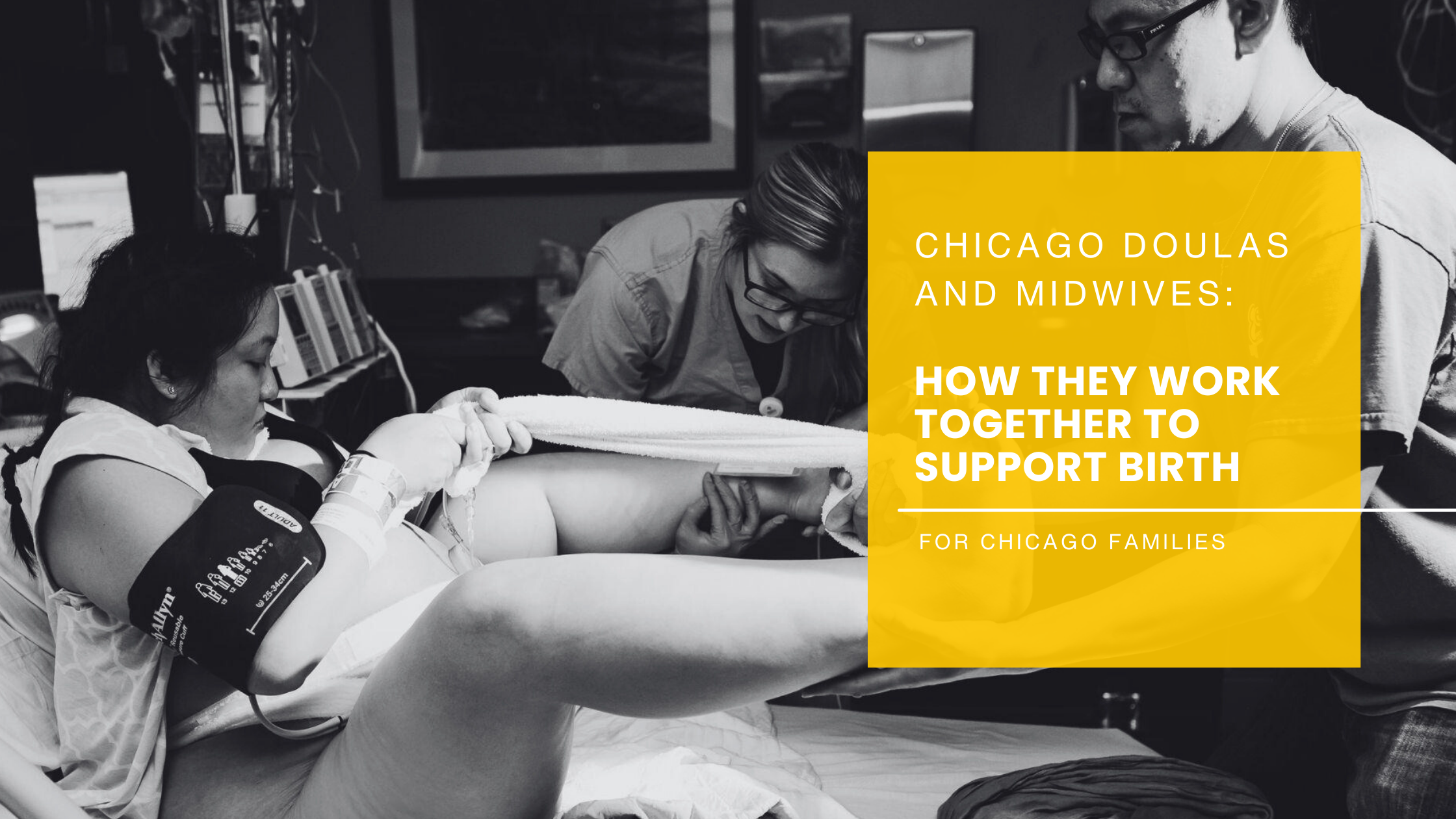
Choosing the right birth support can feel overwhelming,especially in a large city like Chicago, where families have many options for care. Understanding the roles of doulas and midwives can help you build a birth team that aligns with your values, medical needs, and vision for childbirth. This guide explores how doulas and midwives support families throughout pregnancy, birth, and postpartum, and how they often work together to create positive, empowering experiences.
The Role of a Doula in Childbirth
Doulas assist childbearing families in having a labor and postpartum experience that is sympathetic, informative, and nurturing. They are trained professionals who provide non-medical, physical, emotional, and informational assistance during labor, delivery, postpartum, and loss.
Why Are Doulas Important?
Lower medical intervention rates
Minimize physical distress through comfort measures and coping techniques
Support the medical team by fostering collaboration and communication
Create bridges between communities, ensuring inclusive care for all families
Provide emotional stability to parents navigating the transformative experience of childbirth
By focusing on the family’s individual needs and values, doulas empower parents for positive birth outcomes. They act with the mother and family’s values and best interests in mind.
Childbirth education plays a key role in helping families define what a “positive birth outcome*” means for them, long before labor begins.
The Role of Childbirth Education in Preparing for Birth
Childbirth education empowers families with knowledge, confidence, and practical tools before labor begins. In Chicago, childbirth classes led by experienced doulas can help parents understand the stages of labor, comfort measures, medical interventions, and postpartum recovery.
When childbirth education is paired with doula support, families feel more prepared to advocate for themselves and make informed decisions throughout pregnancy and birth.
*A Note on “Positive Birth Outcomes”
In birth work, “positive outcomes” often refer to things like lower C-section rates or fewer medical interventions. But we also recognize that a positive experience doesn’t mean everything went “perfectly.” Birth can involve pain, loss, grief, or trauma, and doulas and midwives support families through all of it.
By acknowledging the full spectrum of birth experiences, we hope to normalize the reality that each story is different, and every family deserves support, compassion, and informed care.
Who Benefits from a Doula?
Birth support is beneficial for all families, but a doula’s care can be especially impactful for those who are socially disadvantaged, giving birth without a partner, or families who have experienced loss and traumatic births. They bridge the gaps between communities, ensuring that everyone, regardless of background, has access to nurturing, informed care.
How Doulas Support Labor and Postpartum Recovery
During labor, doulas offer one-on-one companionship, addressing both the physical and emotional needs of the laboring parent.
At birth centers and hospitals, doulas work in harmony with midwives and medical teams to foster and uphold the goals of the birthing family. Their unwavering dedication ensures every family feels empowered and nurtured through this life-changing journey.
Postpartum, doulas can provide guidance on self-care, lactation, and parenting while also connecting families with community resources. This psychosocial support helps parents increase self-efficacy, build deeper familial relationships, and establish a health foundation for parent-baby development.
What Does a Midwife Do in Childbirth and Postpartum?
A midwife is a highly trained healthcare professional specializing in pregnancy, childbirth, and postpartum care. Midwives are experts in “normal,” low-risk pregnancies and births, providing personalized and holistic care to ensure the safety and well-being of both the mother and their baby. Their approach emphasizes informed decision-making, natural processes, and emotional support while integrating medical interventions when necessary.
Certified Midwives and Certified Nurse Midwives offer a variety of health services:
Prenatal appointments and routine pregnancy monitoring
Ultrasounds and prenatal blood work
Attending to birth, newborn, and postpartum care
Birth control and family planning
Pap smears and breast exams
Why Are Midwives Important?
Midwives are essential for their ability to balance expert medical knowledge with a personalized, nurturing touch that differs from the typical clinical setting of a hospital. While midwives often work out of hospitals, they provide evidence-based care at hospitals, home births, and birthing centers. Midwives help reduce unnecessary interventions, lower cesarean rates, and improve birth outcomes.
Their role extends beyond physical care to educational support, offering reassurance and guidance during pregnancy, labor, and postpartum recovery.
How Are Midwives Beneficial to Birth and Birth Centers?
Midwives play a pivotal role in identifying complications early and collaborating with medical teams if a higher level of care is needed. Not every family has the chance to work with doulas because of the medical attention they may need. Midwives can provide a holistic experience for mothers and families seeking medical care that is more collaborative and personalized than that of a typical medical setting.
Their expertise and holistic care make them particularly beneficial in birth centers, which prioritize natural, family-centered birthing environments. Choosing midwifery care at a birth center allows families to experience a childbirth setting that honors their values and preferences while ensuring expert, compassionate care.
The Unstoppable Duo: How Midwives and Doulas Work Together For the Best Birth Outcomes
In birth centers (or at home or hospitals), midwives work closely with doulas and provide continuous care, focusing on the individual needs and preferences of each family. This comprehensive, team-based approach creates a supportive atmosphere where parents feel empowered, leading to more satisfying outcomes for both parent and baby.
Shared Values of Personal Care
Midwifery and doula care emphasize the importance of treating each family as unique, tailoring prenatal, birth, and postnatal support to foster a sense of autonomy and respect throughout the birthing journey.
They bring complementary skills to the birthing process, creating a cohesive and well-rounded birth experience that emphasizes both safety and comfort. While doulas focus on the non-medical physical, emotional, and informational support of the mother and family, midwives provide medical and clinical care.
In Birth Centers
Midwifery care is deeply aligned with the philosophy and goals of free-standing birth centers, as both prioritize a holistic, individualized, and empowering approach to childbirth. Birth centers focus on providing a safe, nurturing environment that respects the natural process of birth.
While the midwife monitors the health and safety of the birthing parents and baby, the doula offers continuous hands-on support, massage, positioning assistance, and breathing techniques. This way, the birthing person receives both medical and emotional care in a low-intervention environment.
In Hospitals
In hospital settings, midwives provide care within a medical framework, often collaborating with obstetricians. Doulas bridge the gap between the medical team and the family by advocating for the family’s values, while adhering to the hospital protocol. Midwives and doulas work in tandem to reduce stress by enhancing communication.
In-Home Births
When giving birth at home, a midwife ensures clinical safety while the doula fosters emotional support, confidence, and relaxation. A midwife and a doula work together to create an intimate birth experience in the comfort of a family’s home.
Benefits of a Birth Team with Both a Doula and a Midwife
These birth workers provide evidence-based education, encouraging families to participate actively in their care. This informed decision-making aims to create a space where parents feel empowered to make choices that align with their values and goals.
Do I need a doula if I have a midwife?
Together, midwifery and doula care create an environment for safe, compassionate, and empowering birth experiences that honor the natural process of birth while supporting families with necessary medical intervention.
Q: Are doulas only for natural births?
A: Not at all. Doulas support all types of birth, including C-sections and medicated births.
Q: Do I need a doula if I have a midwife in Chicago?
A: Many Chicago families choose both. Midwives provide medical care, while doulas offer continuous emotional, physical, and informational support during labor and postpartum.
Q: Do doulas attend hospital births in Chicago?
A: Yes. Doulas support families in Chicago hospitals, birth centers, and home births.
Explore our childbirth education classes in Chicago designed to prepare families for informed, empowered births.