

Why Accessible Childbirth Education Matters for Chicago Families
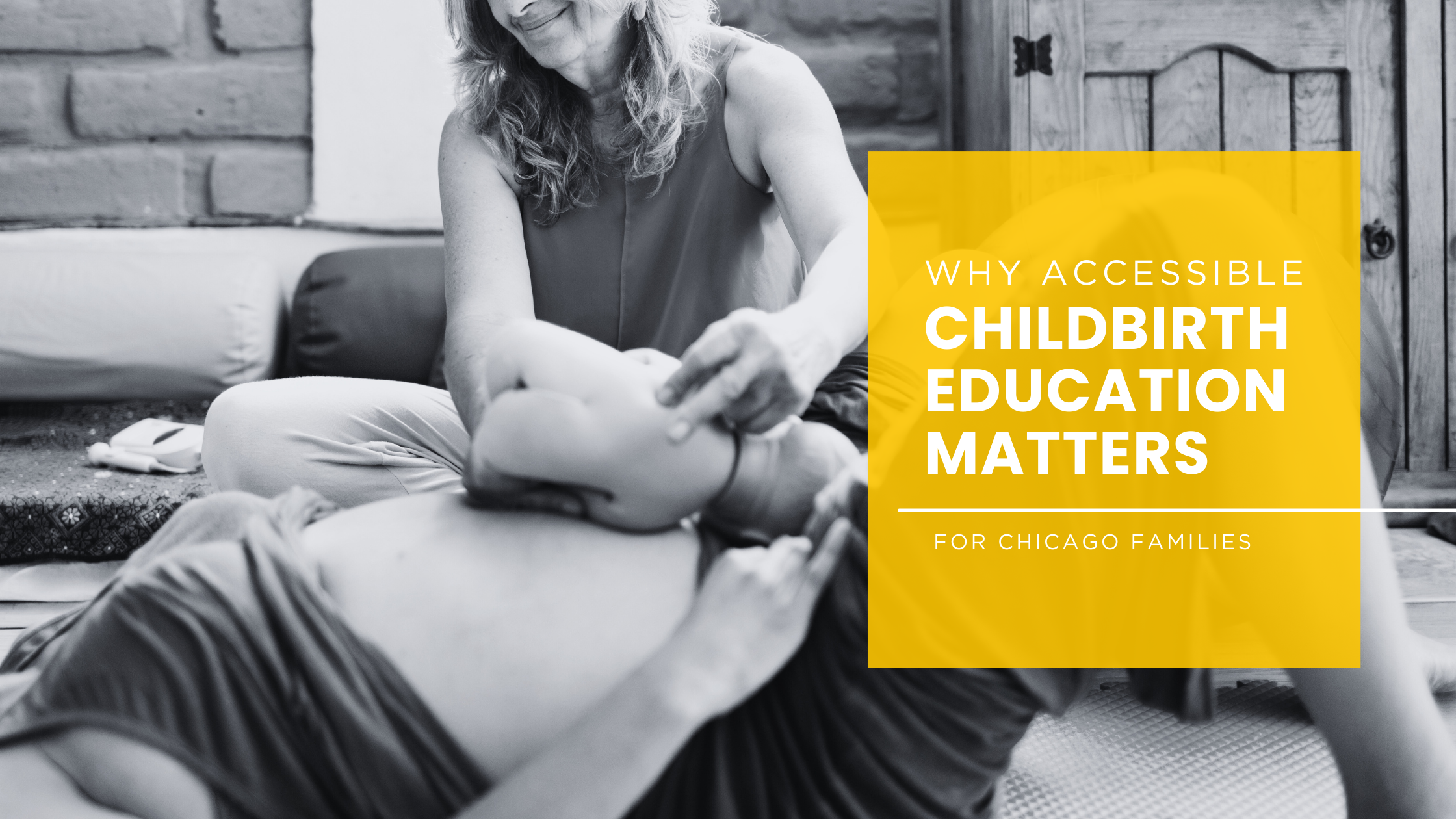
Knowing what to expect during pregnancy, labor, and postpartum can make a world of difference in how confident, prepared, and empowered families feel as they approach birth. Unfortunately, many expectant parents in Chicago and beyond face barriers to accessing quality childbirth education. Cost, location, limited scheduling options, and a lack of culturally relevant resources often leave families (especially those in marginalized communities,) without the support and information they deserve.
As a Chicago birth doula, I see firsthand how access to inclusive, affordable birth education can positively impact birth experiences and outcomes.
The Importance of Accessible Birth Education
Accessible childbirth education plays a vital role in supporting healthy pregnancies and positive birth experiences. Quality birth education can:
Reduce fear and anxiety around labor and birth
Support healthier parent-baby bonding
Encourage informed decision-making
Improve confidence during labor and postpartum
Midwives and doulas alike view childbirth education as an essential extension of care. It expands the birth support team and provides families with knowledge and tools that complement medical care. Offering childbirth education in multiple formats—virtual, in-person, and self-paced—ensures that families with limited flexibility or transportation can still access life-changing information.
This emphasis on birth education is especially beneficial for families who are low-income, socially disadvantaged, or navigating cultural or language barriers within the healthcare system.
How to Choose the Right Childbirth Education Class
When selecting a childbirth education class that fits your family’s needs, consider the following:
1. Understanding the Physical Process of Birth
Does the class explain the anatomy and physiology of labor and birth?
Many people are unaware of what is happening in their bodies during labor. Learning what is normal can reduce fear and promote a sense of safety during this intense and transformative experience.
2. Pain Coping Techniques & Comfort Measures
Does the class teach pain coping strategies, also known as comfort measures?
Labor is intense and often painful. Understanding comfort measures—such as breathing techniques, movement, position changes, and partner support—gives families a wider range of tools to cope effectively and support the natural progression of labor.
3. Labor Practice & Realistic Birth Scenarios
Does the class include labor practice, role-playing, or birth videos?
Adults learn best through experience. Practicing labor scenarios helps families retain information, build confidence, improve partner communication, and explore positions and tools they may want to use during birth.
4. Accessibility & Scheduling
Is the class convenient and accessible?
Consider location, format (in-person vs. virtual), class length, and scheduling especially if you work irregular hours or have childcare needs.
5. Culturally Relevant & Inclusive Care
Do you feel seen, respected, and represented in the class content?
Culturally relevant childbirth education fosters trust, safety, and empowerment, all key components of a positive birth experience.
Supporting Chicago Families Through Education & Community
Community clinics, online childbirth classes, doulas, midwives, and healthcare providers all play an essential role in making birth education accessible. For Chicago families, having support that is local, inclusive, and community-centered can make a powerful difference.
Birth education isn’t just about learning what to expect, it’s about empowering families to make informed choices, feel confident in their care, and approach birth with strength and clarity.
If you’re looking for Chicago childbirth education, birth doula support, or culturally responsive care, you deserve resources that honor your values, your community, and your birth goals.